
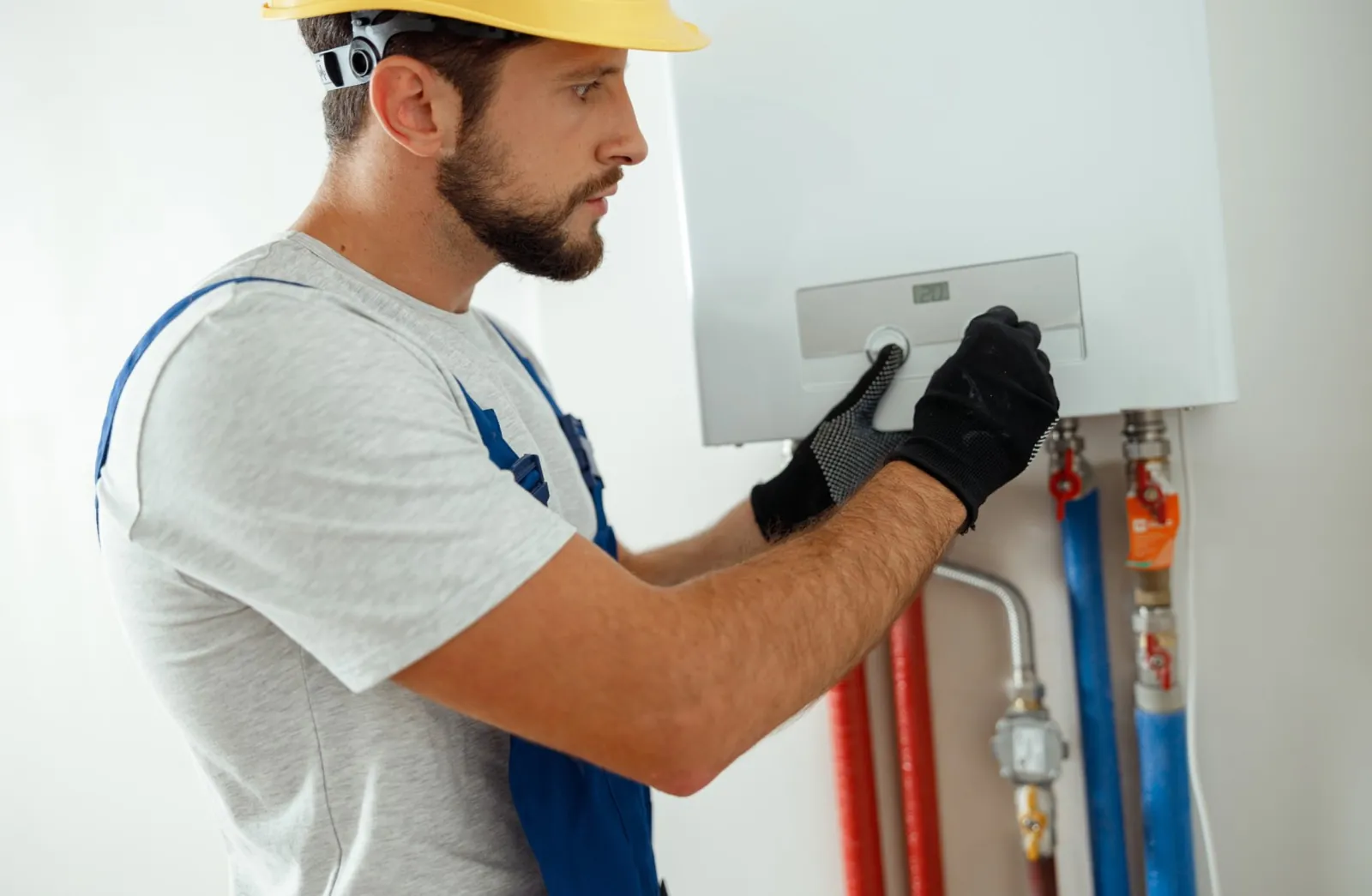
A guide to new boiler installation
What happens, what it should cost you in disruption, and the questions worth asking before you sign.
Replacing a boiler is one of the larger things you will pay for in a house, and most people do it rarely enough never to become confident about it. Here is the shape of a job done properly.
1. The survey
Anyone quoting should look at the property, not just ask how many bedrooms. They need the radiators, the bathrooms, the existing system, the flue route and your incoming water flow rate.
A quote given over the phone without any of that is a guess.
2. The quote
It should name the boiler model, state the warranty, and be a fixed price. Vague quotes with day rates and "materials extra" are where jobs grow.
Ask what is included: system flush, magnetic filter, new controls, removal of the old unit, and making good afterwards.
3. The day itself
Floors and carpets protected first. Old boiler drained, disconnected and removed. New unit mounted, connected, flue fitted. System flushed and filter installed. Then filling, pressurising and balancing.
Most straight swaps are one day. Conversions take two or three.
4. Before they leave
- The system balanced, so far radiators heat like near ones
- Controls explained to you, not just left on the wall
- The warranty registered with the manufacturer
- Paperwork handed over, including the Building Regulations notification
Questions worth asking
- How did you arrive at this size?
- Is a flush and filter included?
- Who registers the warranty?
- What happens if something fails next winter?
The answers tell you a great deal about which quote is actually the cheapest.
Want this priced for your property?
Send BPS Plumbing & Heating a few photos and the rough measurements and you'll get a written quote that sets out exactly what's included — so you can compare it properly against anything else you've been given.